Pioneer: (noun)
A person who is among those who first enter, venture, or settle into region, thus opening it for occupation and development by others.
A person who is among those who first enter, venture, or settle into region, thus opening it for occupation and development by others.
The stories you’ll find in this website come from conversations I have had in person since 1992 with Latinos across Rhode Island. One of my interns may have discovered or suggested someone, and I sent them out to conduct their own interview. Narrators (those who told us their story) sat with us, often at their kitchen tables or in their living rooms and shared their memories. Many pulled out photographs and personal keepsakes. Once they understood the importance of this project, they might have allowed me to borrow photographs or donated something knowing that by doing that, their stories could be preserved in our archive, to be remembered by future generations.
What you see or hear in this website are stories of people (narrators) who built lives in Rhode Island and, in many ways, helped build the Latino community we know today. They came from different parts of Latin America and the Caribbean, bringing their language and customs. One common theme I found is that everyone never let go of their hopes for something better. They opened businesses, raised families, organized, created spaces for culture and belonging, and helped shape the social and civic life of this state in ways that are too often overlooked.
What you’ll read here is not a complete history of every Latino family in Rhode Island. It is a growing collection of stories shared by those I was able to meet. Some reached out and others were introduced to me. Some names may be missing simply because our paths have not yet crossed and a few have busy lives and we both feel that one day we will sit down. A large number of individuals are elders who have passed or in that stage of life when they are forgetting, and it is this generation whose stories I am most interested in recording.
Please know that this project remains open. Nuestras Raíces has always been a living archive—one that continues to grow as more people choose to add their voice. If you or someone in your family has a story to share, I invite you to reach out. Our history is still being written, and there is always room for more of it here.
What you see or hear in this website are stories of people (narrators) who built lives in Rhode Island and, in many ways, helped build the Latino community we know today. They came from different parts of Latin America and the Caribbean, bringing their language and customs. One common theme I found is that everyone never let go of their hopes for something better. They opened businesses, raised families, organized, created spaces for culture and belonging, and helped shape the social and civic life of this state in ways that are too often overlooked.
What you’ll read here is not a complete history of every Latino family in Rhode Island. It is a growing collection of stories shared by those I was able to meet. Some reached out and others were introduced to me. Some names may be missing simply because our paths have not yet crossed and a few have busy lives and we both feel that one day we will sit down. A large number of individuals are elders who have passed or in that stage of life when they are forgetting, and it is this generation whose stories I am most interested in recording.
Please know that this project remains open. Nuestras Raíces has always been a living archive—one that continues to grow as more people choose to add their voice. If you or someone in your family has a story to share, I invite you to reach out. Our history is still being written, and there is always room for more of it here.
★ Oprime aquí para leer en español
Las historias que encontrará en este sitio web nacen de conversaciones que he tenido, en persona y desde 1992, con Latinos en todo Rhode Island. A veces, alguno de mis pasantes encontraba o me sugería a alguien, y yo les pedía que salieran a hacer su propia entrevista. Los narradores (quienes nos compartieron su historia) se sentaban con nosotros, muchas veces en la mesa de su cocina o en la sala de su casa, y nos abrían sus recuerdos. Muchos sacaban fotografías y guardaditos personales. Cuando entendían la importancia de este proyecto, a veces me prestaban fotos o donaban algún objeto, sabiendo que al hacerlo sus historias podían preservarse en nuestro archivo y quedar para las generaciones futuras.
Lo que verá o escuchará en este sitio web son historias de personas (narradores) que hicieron su vida en Rhode Island y que, de muchas maneras, ayudaron a construir la comunidad Latina que hoy conocemos. Llegaron de distintos rincones de América Latina y el Caribe, trayendo consigo su idioma, sus costumbres y su manera de ver el mundo. Algo que encontré una y otra vez es que nadie soltó la esperanza de algo mejor. Abrieron negocios, criaron familias, se organizaron, crearon espacios de cultura y pertenencia, y ayudaron a darle forma a la vida social y cívica de este estado de maneras que muy pocas veces se reconocen.
Lo que leerá aquí no es una historia completa de cada familia Latina en Rhode Island. Es una colección viva, en crecimiento, de historias compartidas por las personas que he tenido la oportunidad de conocer. Algunas llegaron a mí por cuenta propia y otras me fueron presentadas. Puede que falten algunos nombres simplemente porque nuestros caminos aún no se han cruzado, y otros porque la vida sigue ocupándonos y sentimos que algún día nos sentaremos con calma. Muchas de estas personas son mayores; algunas ya partieron y otras empiezan a olvidar, y es justamente esa generación la que más me interesa escuchar y documentar.
Quiero que sepa que este proyecto sigue abierto. Nuestras Raíces siempre ha sido un archivo vivo, uno que sigue creciendo cada vez que alguien decide sumar su voz. Si usted, o alguien de su familia, tiene una historia que compartir, le invito a comunicarse conmigo. Nuestra historia todavía se sigue escribiendo, y siempre habrá espacio aquí para contar sú historia.
Lo que verá o escuchará en este sitio web son historias de personas (narradores) que hicieron su vida en Rhode Island y que, de muchas maneras, ayudaron a construir la comunidad Latina que hoy conocemos. Llegaron de distintos rincones de América Latina y el Caribe, trayendo consigo su idioma, sus costumbres y su manera de ver el mundo. Algo que encontré una y otra vez es que nadie soltó la esperanza de algo mejor. Abrieron negocios, criaron familias, se organizaron, crearon espacios de cultura y pertenencia, y ayudaron a darle forma a la vida social y cívica de este estado de maneras que muy pocas veces se reconocen.
Lo que leerá aquí no es una historia completa de cada familia Latina en Rhode Island. Es una colección viva, en crecimiento, de historias compartidas por las personas que he tenido la oportunidad de conocer. Algunas llegaron a mí por cuenta propia y otras me fueron presentadas. Puede que falten algunos nombres simplemente porque nuestros caminos aún no se han cruzado, y otros porque la vida sigue ocupándonos y sentimos que algún día nos sentaremos con calma. Muchas de estas personas son mayores; algunas ya partieron y otras empiezan a olvidar, y es justamente esa generación la que más me interesa escuchar y documentar.
Quiero que sepa que este proyecto sigue abierto. Nuestras Raíces siempre ha sido un archivo vivo, uno que sigue creciendo cada vez que alguien decide sumar su voz. Si usted, o alguien de su familia, tiene una historia que compartir, le invito a comunicarse conmigo. Nuestra historia todavía se sigue escribiendo, y siempre habrá espacio aquí para contar sú historia.

Anthony (Tony) Affigne
In 1982, Tony Affigne decided to run for office as one of three Latinos in Rhode Island running at that time. In 1985, he became the first Latino to run for Governor.

Ana Margarita Cabrera
In 1977, I became Rhode Island’s first Latina television reporter. That didn’t mean it was easy. I started with fluffy stories—the kind they thought women should cover. I smiled through it but wanted more.

Pedro Cano
Today it is hard to imagine that we lived like that in those days. Central Falls has changed and now we have so many [Latino] markets, restaurants, record stores and people in the street can be heard speaking Spanish every day ...

Gustavo Carreño
Valentin, Horacio and I came together in March of 1965, and during the summer and later in the fall, others began to join us. Together we all became the first Colombian immigrants to build a life in Rhode Island.

Julieta Castellanos
Julie Castellanos's remarkable story embodies what Latinos and Latinas endured yet persevered as new immigrants to this country in the 1970s and 80s ....

Osvaldo Castillo
Today, the community has changed a lot because it is larger. I see more bilingual people working in government offices, and back in the early days there was none of that. I also speak better English, but I still feel bad for the people who are just arriving to this country because they still have to go through what I went through ...

Bernardo Chamorro
I worked hard here to make sure that my children had a good future. To find work is the main reason why I came to the United States.
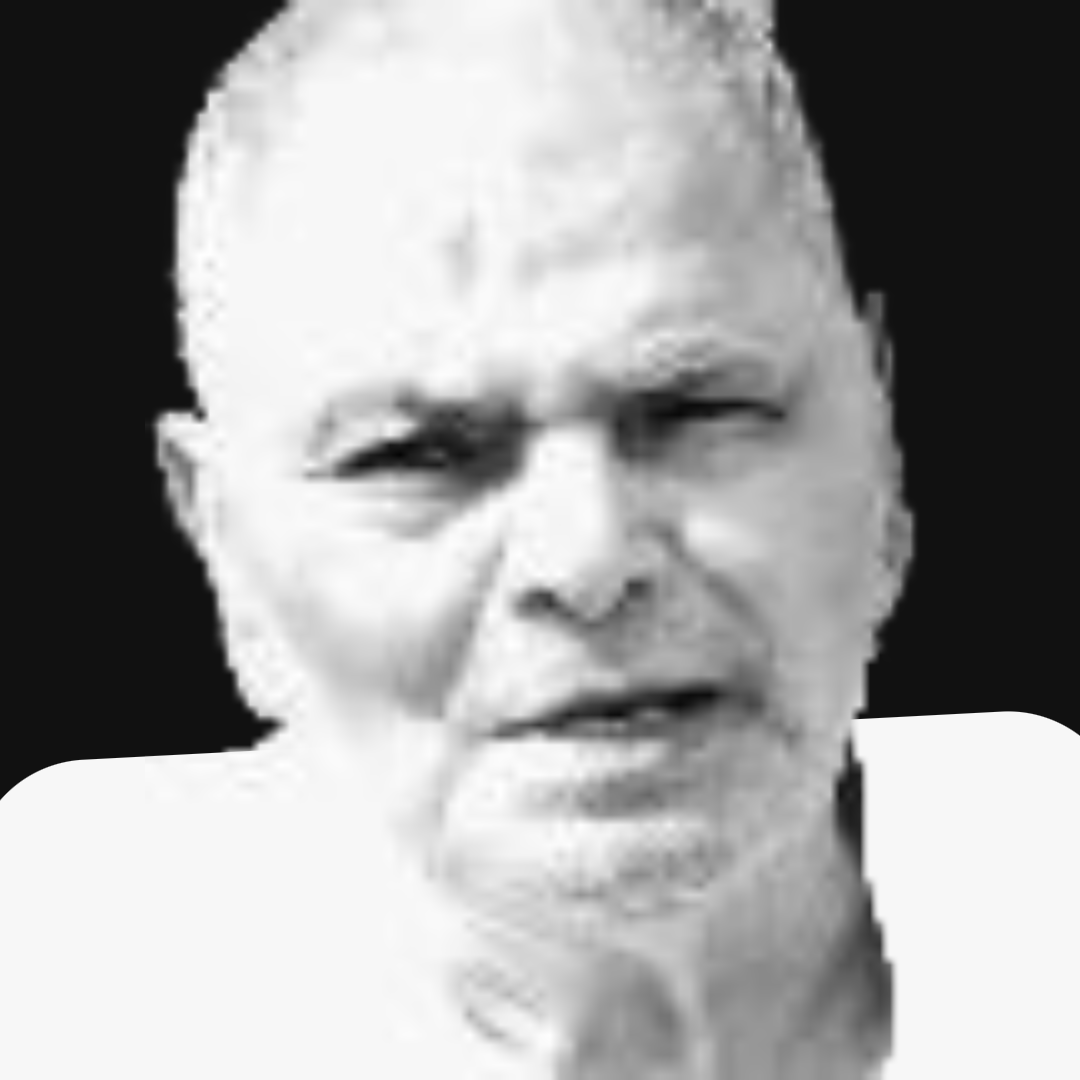
Angel "Tato" Cosme
In 1955, Angel “Tato" Cosme quit school after the ninth grade to help his mother earn money for the family. He left the poverty of his home in Puerto Rico and traveled to New England, and eventually settled in Rhode Island.

Grace Díaz
In 2004, Grace Diaz was elected to the Rhode Island House of Representatives and made history as she became the first Dominican-American in the country elected for this post.

Juan Francísco
In the 1985 Juán Francisco was one of the founders of the first Hispanic Political Action Committee (HPAC) in Rhode Island, which launched a political awareness among Hispanics.

Jay Giuttari
The Colombian population in Rhode Island owes its beginnings to one gentleman who, in the early 1960s, had an insightful and innovative idea: Jay Giuttari, whose father owned Lyon Fabrics, a textile mill in Central Falls.

José González
My main goal then, was to give back to the Latino community by going into social work. But I had a moral dilemma. In social work you sometimes provide too much support, and don’t educate people into becoming independent. And you have this realization that the best way you can help the Latino community is by educating them ...

Roberto González
Roberto González moved to Rhode Island from New York City in 1969 with his brother, José. After being invited here to visit, their mother decided to bring the family (including a third brother) to raise them in what she felt was a safer environment. Roberto eventually became the first Latino Judge in Rhode Island - sworn into the Providence Housing Court in 2004 ....

Francisco Litardo
In the summer of 1974, Cuban minister Rev. Pedro Ortiz walked the streets of Rhode Island, knocking on the doors of local churches. He was there on behalf of the American Baptist Church, tasked with finding congregations willing to host Spanish-speaking services. It was Calvary Baptist Church that opened its doors to him.

Patricia Martínez
As I learned English, I became the go-to translator for my family and half the neighborhood. Looking back, it was an enormous responsibility—but it also made me grow up fast. And it gave me purpose.

Tony Mendez
Getting on air wasn’t easy. They told me to start with their AM station, which only reached campus. I pushed back. I wanted to be on FM—90.3 FM—which reached all of Rhode Island and beyond. After months of persistence, they gave me a shot.

Victor Mendoza
The best thing that I did, my best performance is when we founded the Coalition of Hispanic organizations because that was the agency that gave respect to the community. That was the agency that put the name Hispanic high in the state ...

Ramon Morales | Johnny Chimi
Everyone knows him as “Johnny Chimi” but his name is Ramon Morales. What he is most known for is the red food truck parked set back on Broad Street. An interview confirms it was the first Chimi truck in the Broad Street neighborhood.

Alberto Moronta
I began cutting hair at a place called "The Talk of the Town," located on Oxford Street. All the Hispanics started coming there so I can cut their hair, so it was then that I decided to open my own business. In 1986, I opened Alberto's Hair Salon on Broad Street.

Olga Noguera
I think that we have done so much with the Hispanic community that people who come now should be very proud of the people who opened doors … I think that we made a lot of strides and I think that we need to encourage young persons to participate in the Hispanic community ...

Estelita & Zanoni Ortega
The Ortegas are the first recorded Mexican family to have settled in Rhode Island in the 1940s. Dr. Ortega became a prominent radiologist.
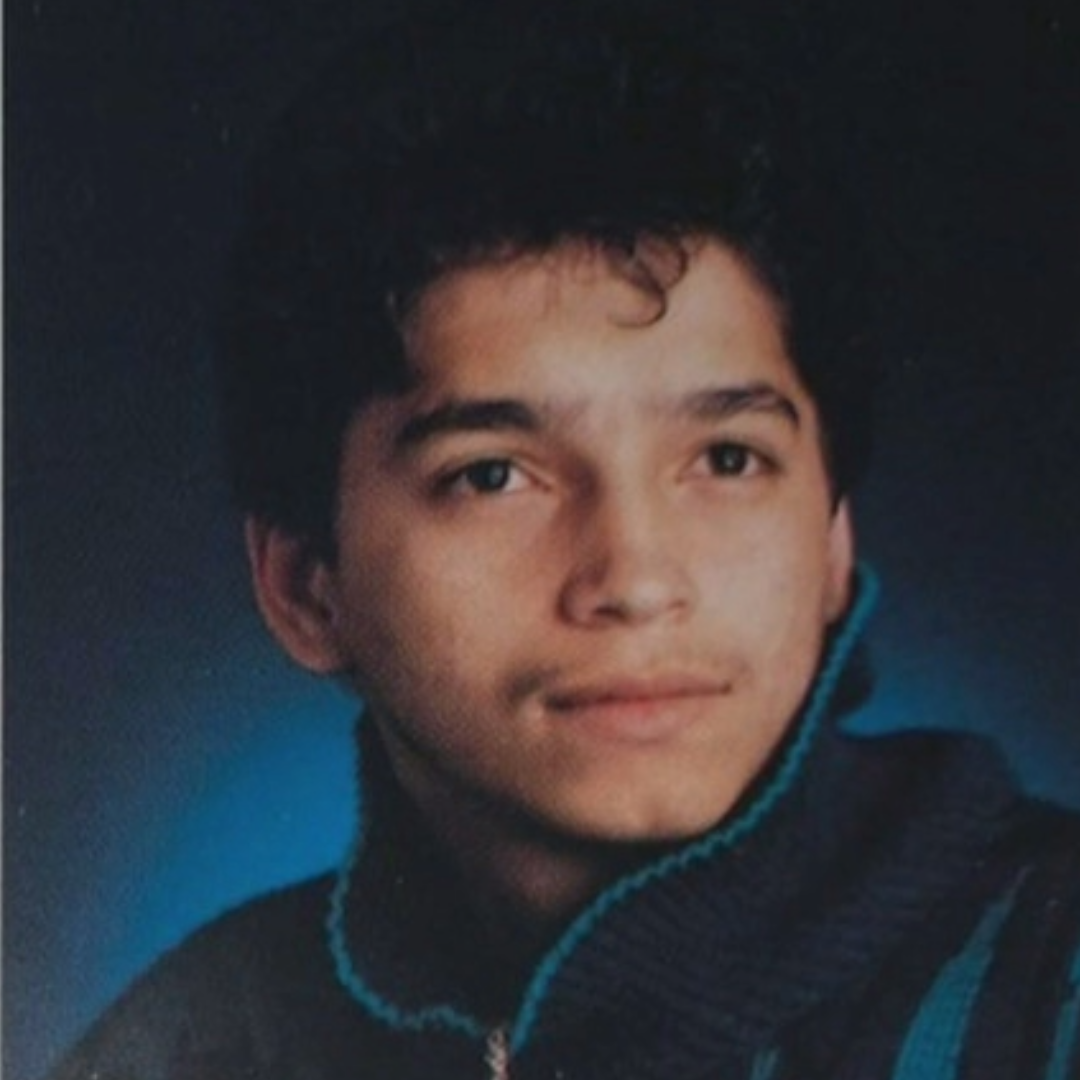
Oscar Pérez
Col. Oscar Pérez, a Colombian immigrant made history when he became the first Latino Chief of Police in Rhode Island.

Valentín Ríos
Valentín Ríos came to Rhode Island in the early 1960s. He was one of the first Colombians here who were brought to work in the failing mills in Central Falls.

Manuel Rivera
In 1980, Manuel Rivera decided that he would run for office when threw in has hat to run for two races: House District 19 and Senate District 9. According to research, this was the first time any Hispanic had run for office in the State of Rhode Island.

Doña Fefa Rosario
I remember when we would drive to New Haven in our blue station wagon to buy platános, yuca, café Dominicano and other food for the Hispanic people who lived in Providence in the mid-to-late 1960s ...

Miriam (Salabert) Gorriaran
Tessie Salabert and her sister, Miriam, were born in Cuba. The two girls and their brother, Eduardo, were sent to the U.S. on April 10, 1961 as a result of “Operación Pedro Pan (Operation Peter Pan).” Tessie was 11 years old , Miriam was 14 years old and their brother was eight. ....

Tessie Salabert
Tessie Salabert and her sister, Miriam, were born in Cuba. The two girls and their brother, Eduardo, were sent to the U.S. on April 10, 1961 as a result of “Operación Pedro Pan (Operation Peter Pan).” Tessie was 11 years old , Miriam was 14 years old and their brother was eight. ....

Enrique Sánchez Mora
Enrique Sánchez Mora was born in Piaxtla, Puebla, México. In 1988 he opened Sánchez Market on Atwells Avenue in Providence, the first Mexican grocery store in Rhode Island.

Juanita Sánchez
Juanita Sánchez helped many early Latinos navigate the health care system. The first school in Rhode Island named after a Latina was named after Juanita.

Nerino Sánchez
Nerino Sánchez arrived penniless in Miami in 1969, fed up with the rationing and communism of Castro's Cuba. Soon he joined relatives in Providence. Many early Latinos remember shopping at a small market that he owned on Douglas Avenue.

Angel Taveras
Angel Taveras was raised in Providence by a single mother and attended the public schools. In 2000 he was unsuccessful candidate for the 2nd Congressional District and in 2011 ran and was elected first Latino mayor in the City of Providence ....

Acelia "Ada" Terrero
Ada made some of the best cakes her friends and neighbors ever had. So when she started selling her creations from her Providence home, she immediately had orders for numerous parties and weddings. Little did she know that she was launching the first Latin-American bakery in Rhode Island.

Anastasia Williams
Rep. Anastasia Williams is of Panamanian heritage. In 1991, she made history as the first Hispanic and first Latina to a political office in Rhode Island when she was elected to represent District 9 in the Rhode Island House of Representatives.

César Zuleta
At first, it was just me and two workers. I made the food I knew from back home—simple, comforting, authentic Colombian dishes. Bit by bit, word spread and more people started coming in. Some were curious, others just looking for something different, and many ended up becoming regulars.
Why we tell our stories

© All Rights Reserved | Nuestras Raíces: Latino History of RI © | When using materials from this website, please acknowledge by stating the name of the URL of the webpage on which it is displayed. Citations should include full bibliographic information as follows: Courtesy of the Latino Oral History Project of Rhode Island, Central Falls, RI.
The History of Latino Community Activism
When Latin Americans first began to arrive in Providence in the 1950s and 1960s, the very small community was met with minimal recognition on the part of the bureaucracy...